Reiki energy healing is a practice that has been used for centuries to help people heal physically, emotionally, and mentally. Despite its popularity and effectiveness, many people are still unsure about what Reiki energy healing is and how it works.
Let’s dive in and explore the mysteries of Reiki energy healing, so you can better understand this ancient technique and how it can benefit you. From its origins and principles to the actual process of a Reiki session, we’ll delve deep into this fascinating practice and uncover the secrets and benefits of Reiki energy healing. So, by the end, the goal is that you’ll have a better understanding of what Reiki is and how it can enhance your life.

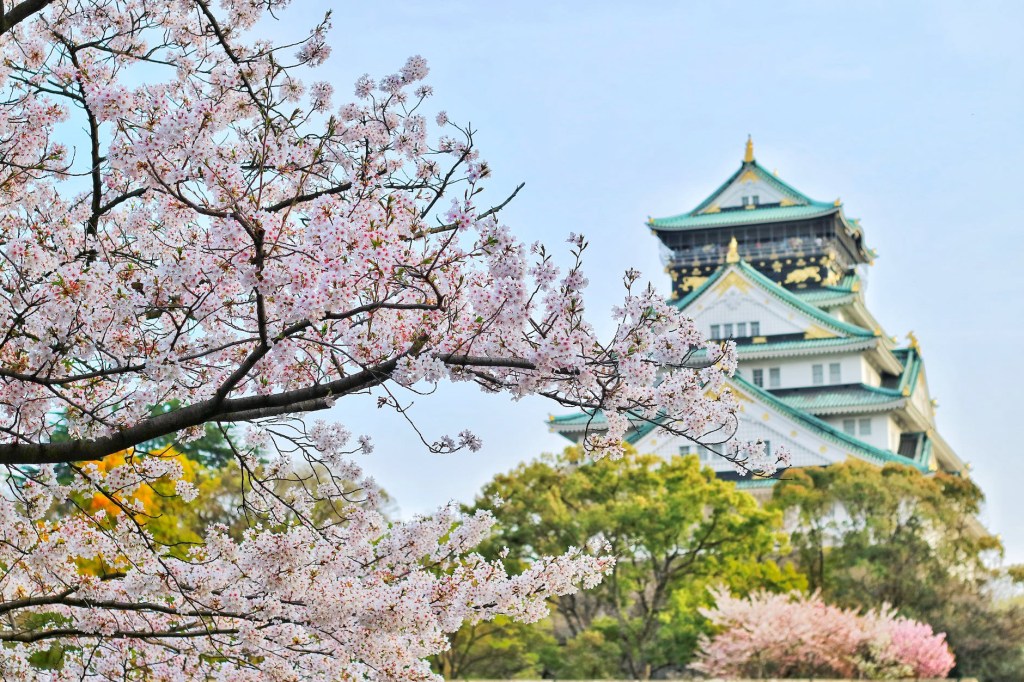
Reiki Energy Healing is a gentle and non-invasive healing practice that has been gaining popularity in recent years. Originating in Japan, Reiki is a form of alternative therapy that aims to balance the energy within the body, promoting relaxation, stress reduction, and overall well-being.
At its core, Reiki is based on the idea that a life force energy flows through all living things. When this energy is low or blocked, it can lead to physical or emotional imbalances and illness. Reiki practitioners use their hands to channel this universal energy, allowing it to flow to areas of the body where it is most needed.
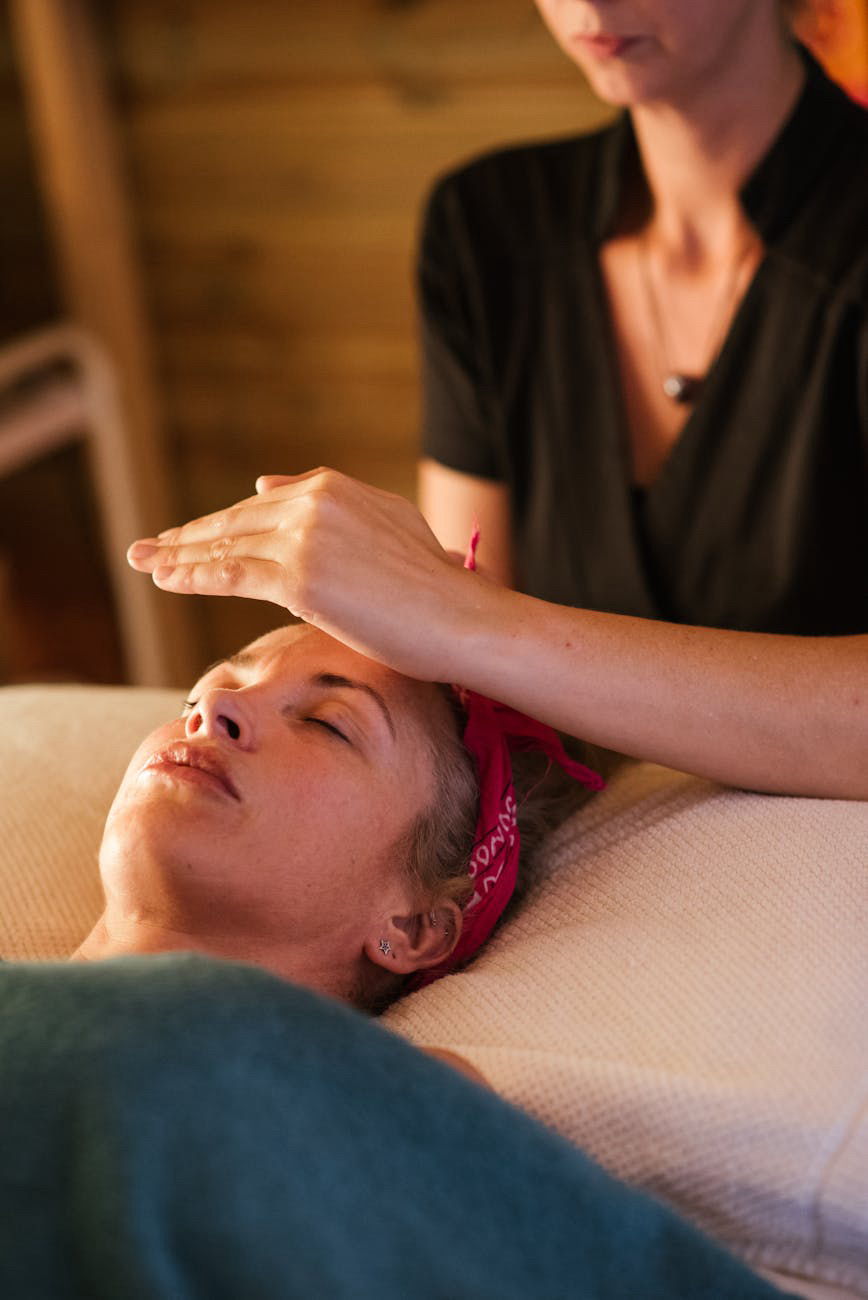
During a Reiki session, clients typically lie down fully clothed while the practitioner places their hands lightly on or just above various parts of the body. The gentle touch and energy transfer can create a sense of warmth, comfort, and deep relaxation. Many people report feeling a sense of peace, clarity, and emotional release after a Reiki session.
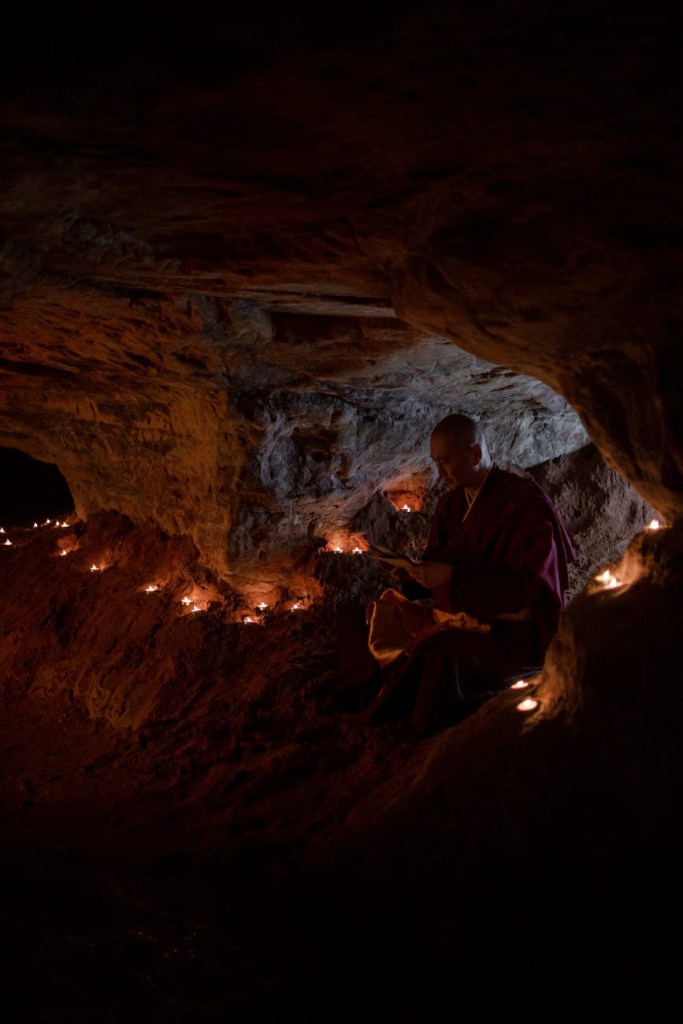
The practice of Reiki traces back to the early 20th century when Mikao Usui, a Japanese Buddhist monk, rediscovered the healing technique after a period of fasting and meditation on Mount Kurama.
Usui’s spiritual journey led him to develop the principles and techniques that form the foundation of Reiki practice today. The term “Reiki” itself is derived from two Japanese words: “Rei,” meaning universal or spiritual, and “Ki,” referring to life force energy.
Initially used for self-healing and spiritual development, Reiki soon evolved into a holistic healing modality that aims to balance the energy centers within the body, known as chakras. Reiki Practitioners believe that by channeling universal life force energy through their hands, they can promote relaxation, reduce stress, and facilitate the body’s natural healing processes.
As Reiki spread beyond Japan to other parts of the world, various lineages and schools of practice emerged, each adding its unique perspectives and techniques to the core teachings of Usui. Today, Reiki continues to be embraced by individuals seeking physical, emotional, and spiritual well-being, making it a powerful tool for healing and personal growth.
Reiki healing is founded on a set of principles that serve as guiding tenets for practitioners and recipients alike. As previously mentioned, at the center of Reiki philosophy is the belief in the interconnectedness of all living beings and the idea that energy flows through everything in the universe. By tapping into this universal life force energy, Reiki practitioners aim to restore balance and harmony within the body, mind, and spirit.
The 5 Principles of Reiki, as outlined by Mikao Usui, the founder of Reiki, are simple yet profound:
Just for today, I will not be angry.
Just for today, I will not worry.
Just for today, I will be grateful.
Just for today, I will do my work honestly.
Just for today, I will be kind to every living thing.
These principles serve as a roadmap for leading a more mindful and compassionate life, not only for Reiki practitioners but for anyone seeking inner peace and spiritual growth. By embodying these principles, individuals can cultivate a deeper sense of awareness, gratitude, and kindness towards themselves and others.
Understanding and embracing the principles of Reiki healing is essential for unlocking its transformative power and experiencing its profound benefits. Practicing these principles daily can lead to a greater sense of well-being, spiritual alignment, and overall harmony in life.
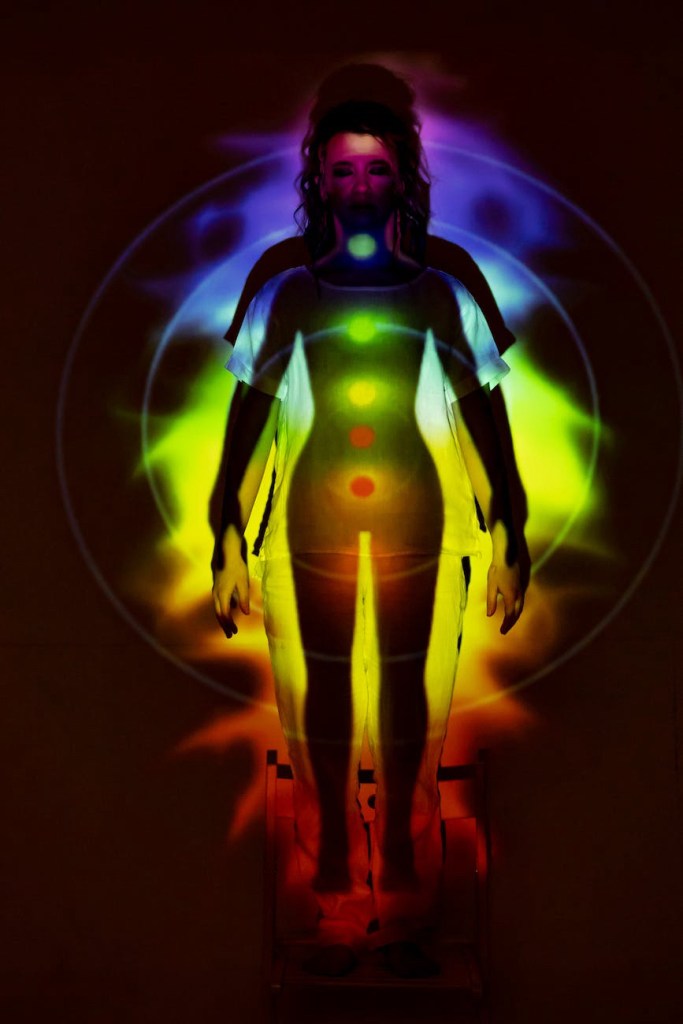
In Reiki energy healing, the concept of chakras and energy centers plays a crucial role in understanding the flow of energy within the body. The chakras are believed to be swirling wheels of energy located along the spine, each corresponding to specific organs and aspects of our physical, emotional, and spiritual well-being.
There are seven main chakras in the body, starting from the base of the spine and moving up to the crown of the head. Each chakra is associated with a unique color, symbol, element, and purpose. By exploring and balancing these chakras, Reiki practitioners aim to harmonize the flow of energy and promote healing on all levels.
Understanding the chakras and energy centers in Reiki can provide valuable insights into the interconnected nature of our physical and energetic bodies. By working with these energy centers, practitioners can help to release blockages, restore balance, and promote overall health and well-being.
Through the practice of Reiki, individuals can deepen their awareness of the subtle energy currents within themselves and others. By exploring the chakras and energy centers, one can unlock the mysteries of energy healing and tap into the transformative power of Reiki.

A Reiki practitioner plays a pivotal role in the process of energy healing. They are trained individuals who have undergone specific attunements to channel and transfer healing energy to their clients. The practitioner acts as a conduit for the universal life force energy, directing it to where it is needed most within the recipient’s energy field.
During a Reiki session, the practitioner facilitates the flow of energy by placing their hands lightly on or just above the recipient’s body. Through this gentle touch, the practitioner can sense blockages or areas of imbalance within the energy field and work to release them, promoting relaxation, stress reduction, and overall well-being.
In addition to their hands-on healing work, a Reiki practitioner also serves as a guide and support system for their clients. They create a safe and nurturing environment for the healing process to unfold, offering a listening ear, compassionate presence, and intuitive insights to help clients navigate their healing journey.
Ultimately, the role of a Reiki practitioner extends beyond the physical realm, delving into the realms of emotional, mental, and spiritual healing. By fostering a deep connection with their clients and the universal life force energy, practitioners play a vital role in facilitating holistic healing and transformation.

Reiki energy healing offers a myriad of benefits that can positively impact one’s physical, mental, and emotional well-being. One of the key advantages of Reiki is its ability to promote relaxation and reduce stress levels. Through gentle touch or non-contact methods, Reiki practitioners help to balance the energy within the body, inducing a state of deep relaxation that can aid in alleviating anxiety and tension.
Moreover, Reiki has been known to enhance the body’s natural healing processes. By clearing energy blockages and promoting the flow of life force energy, Reiki can support the body in its self-healing mechanisms, potentially speeding up recovery from illness or injury.
On a mental and emotional level, Reiki can bring about a sense of clarity and inner peace. Many individuals report feeling calmer, more centered, and better able to cope with life’s challenges after a Reiki session. This holistic approach to healing can address not only physical symptoms but also underlying emotional imbalances, fostering a sense of overall well-being.
Furthermore, Reiki is a non-invasive and gentle healing modality, making it suitable for individuals of all ages and health conditions. It can be safely used in conjunction with other medical or therapeutic treatments, complementing traditional healthcare practices.
In essence, the benefits of Reiki energy healing are vast and profound, offering a holistic approach to wellness that addresses the interconnectedness of mind, body, and spirit.
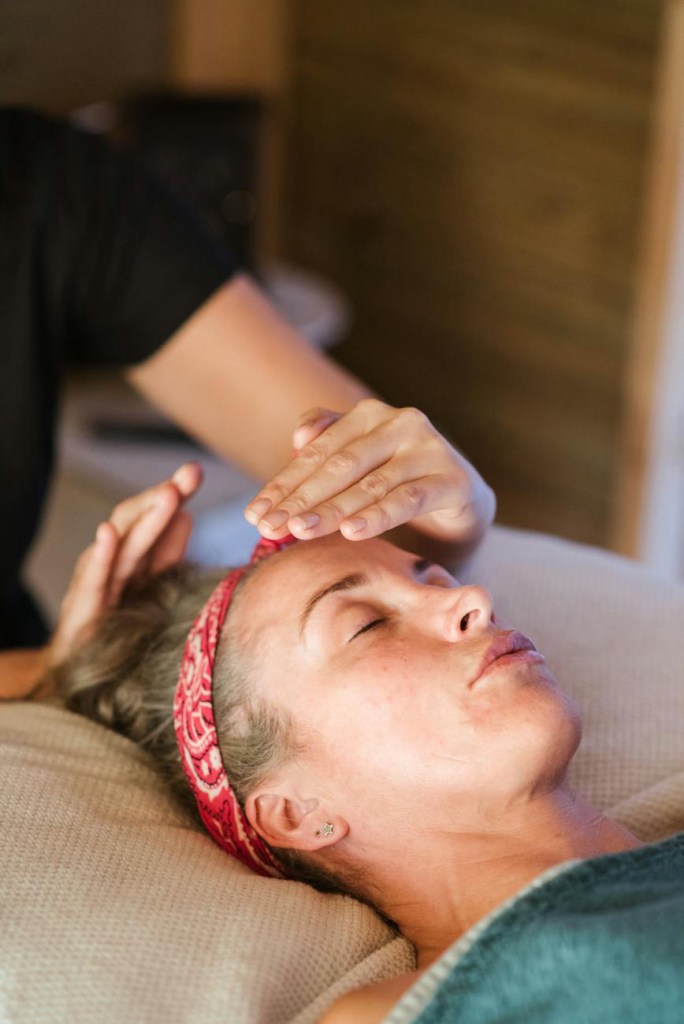
During a Reiki session, you can expect a calming and peaceful environment conducive to relaxation and healing. Typically, the session takes place in a quiet and comfortable setting, with the client lying down or sitting comfortably. The Reiki practitioner may play soft music or use essential oils to enhance the calming atmosphere.
The practitioner will then gently place their hands on or near various parts of your body, following a specific sequence or intuitively guided by the energy flow. You may feel a warm or tingling sensation, a sense of deep relaxation, or even emotional release during the session.
As the Reiki energy flows through your body, it works to balance your energy centers, or chakras, and promote overall well-being on physical, emotional, mental, and spiritual levels. Each person’s experience during a Reiki session is unique, and the effects can vary from feeling deeply relaxed and rejuvenated to experiencing emotional insights and releasing energetic blockages.
After the session, you may feel lighter, more centered, and have a sense of clarity and inner peace, or even feelings of bliss. It is also common to continue feeling the effects of Reiki for days following a session as the energy continues to work its magic in your system.
Overall, a Reiki session offers a gentle and non-invasive way to support your body’s natural healing abilities and promote holistic well-being. Participants should embrace the experience with an open heart and mind, and allow the healing energy of Reiki to guide you on your journey to balance and harmony.

Let’s learn a bit about Reiki techniques and practices, as they are at the heart of this ancient healing art, and offer a profound way to channel and manipulate energy for the benefit of oneself and others.
One of the fundamental practices in Reiki is the laying on of hands, where the practitioner places their hands on or above different parts of the recipient’s body to facilitate the flow of energy. By focusing intention and allowing the energy to flow through them, the practitioner can help to rebalance and harmonize the recipient’s energy centers, known as chakras.
Another key technique in Reiki is the use of symbols and mantras to enhance the healing process. Symbols such as the Cho Ku Rei and Sei He Ki are used to amplify the energy being channeled, while mantras like the Reiki principles serve as guiding principles for living a balanced and harmonious life.
In addition to hands-on healing, Reiki practitioners may also incorporate other techniques such as distance healing, where energy is sent to recipients who are not physically present, and aura cleansing, to clear stagnant energy from the energy field surrounding the body.
By mastering these techniques and practices, Reiki practitioners can tap into the transformative power of energy healing and unlock the mysteries of this ancient healing art.

Incorporating Reiki into your daily life can truly bring about profound changes in your overall well-being and energy levels. One simple way to integrate Reiki into your routine is by starting your day with a Reiki self-treatment session. This can help set a positive and balanced tone for the rest of your day.
You can also infuse Reiki energy into your meals by spending a few moments channeling Reiki energy into the food you eat. This practice can enhance the vibrational quality of your food and promote physical and energetic nourishment.
Another effective way to incorporate Reiki into your daily life is by creating a Reiki sanctuary within your living space. This can be a designated area where you can meditate, practice Reiki, or simply relax and recharge. By spending time in this sacred space regularly, you can cultivate a sense of peace and harmony in your home environment.
Furthermore, you can extend the benefits of Reiki to your relationships and interactions with others. Sending Reiki energy to loved ones, colleagues, or even challenging situations can help bring about healing and positive transformations on both personal and collective levels.
By weaving Reiki practices into your daily life, you can tap into the limitless potential of this healing modality to foster holistic wellness, personal growth, and spiritual connection.

Debunking common myths about Reiki energy healing is essential to understanding this ancient practice. One prevalent misconception is that Reiki is a form of magic or mystical power that only a select few can harness. In reality, Reiki is a natural healing technique that anyone can learn and practice with proper training and dedication.
Another myth surrounding Reiki is that it is a religious practice tied to a specific belief system. While Reiki does have roots in Eastern spiritual traditions, it is not affiliated with any particular religion. Reiki is a UNIVERSAL energy that can be accessed and channeled by anyone, regardless of their sex, gender, race, ethnicity, hair color, piercings, tattoos, spiritual or religious beliefs.
Other skeptics argue that Reiki is simply a placebo effect and has no real healing power. However, numerous studies and anecdotal evidence have shown the benefits of Reiki in promoting relaxation, reducing stress, and supporting overall well-being. Reiki works on the principle that energy flows through all living beings and can be balanced and restored to promote healing.
By debunking these common myths and misconceptions about Reiki energy healing, we can better understand and appreciate the profound benefits this practice can offer for physical, emotional, and spiritual healing.
We truly hope this post has provided you with valuable insights and inspiration to explore the transformative potential of Reiki Energy Healing further. We highly encourage all to embrace the energy, and hope it guides you on a journey of healing and self-discovery.
If you’re interested in digging deeper into Reiki Energy Healing, below is a list of the top Reiki Energy Healing Books on Amazon.
SHOP BOOKS on REIKI HEALING
The Original Reiki Handbook of Dr. Mikao Usui
The Reiki Manual: A Training Guide for Reiki Students, Practitioners, and Masters
Essential Reiki: A Complete Guide to an Ancient Healing Art
 Archaic Rituals
Leave a comment